

surfattic Logo Surfattic Contact Us
Contact Us

Exploring the Norman Keep Ruins

Walk through centuries of history with this easy route around the ancient keep. You'll see where the moat once was and learn about medieval settlement patterns.

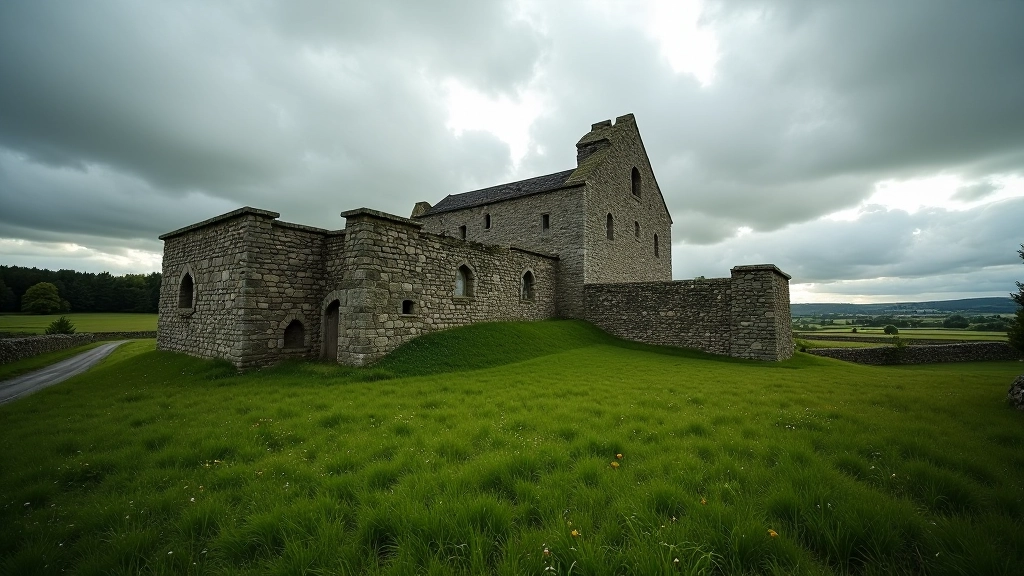
Ancient Norman stone keep with weathered walls surrounded by green grass fields under cloudy sky
Siobhan O'Brien

By

Siobhan O'Brien

Senior Walking Routes Editor

Heritage walking guide and Waterford tourism specialist with 14 years' experience creating accessible routes for mature explorers.

01. A Glimpse Into Medieval Waterford

The Norman keep isn't just a pile of old stones — it's a window into how people lived 900 years ago. When the Normans arrived in Ireland in the 12th century, they built these keeps as defensive strongholds. What you'll see today is remarkably well preserved, and the surrounding landscape tells stories if you know where to look.

This walk covers about 2.5 kilometres and takes roughly 90 minutes at a comfortable pace. You're not climbing mountains or tackling steep hills. Instead, you'll follow quiet country paths, cross gentle fields, and discover the earthworks that reveal where medieval settlement patterns once thrived. The moat that once surrounded the keep has mostly filled in, but you can still trace its outline if you pay attention.

Best time to visit? Spring through autumn works well, though you'll want decent weather. The paths get muddy after heavy rain, and the fields can be a bit overgrown in midsummer. We'd suggest going in May or September — the light's beautiful, wildflowers are still about, and you won't be battling crowds.

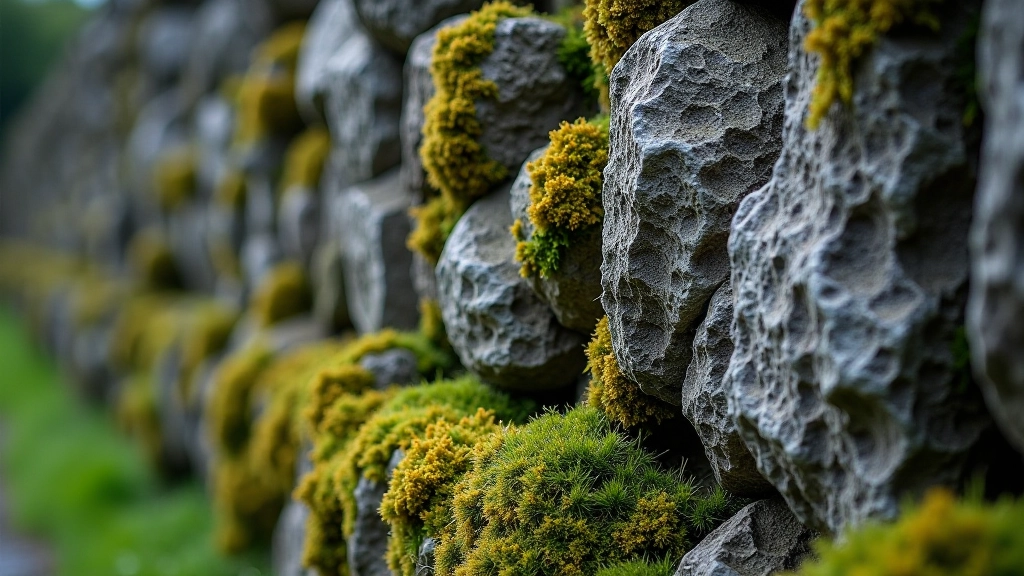
Weathered Norman keep walls with ancient stonework details, showing centuries of erosion and historical texture

02. The Route and What You'll See

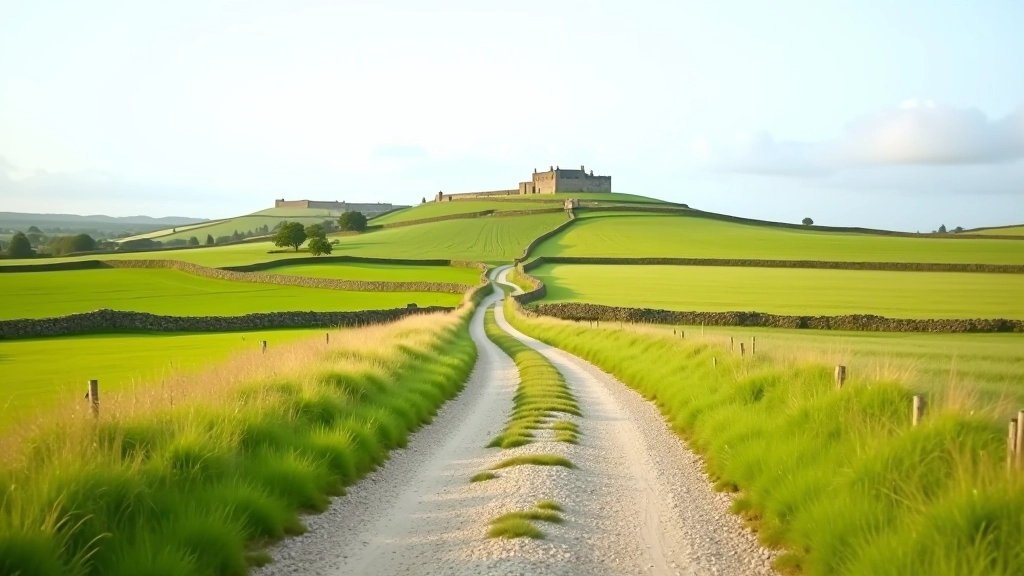
Start at the small car park near the keep — there's space for about six cars, which tells you it's not a major tourist trap. You'll head northwest initially, following a gravel track that's been used for centuries. Locals still use these paths, so don't be surprised if you pass someone walking their dog or a farmer checking fences.

Within 15 minutes, you'll reach the keep itself. It's built on a slight rise — the Normans were clever about positioning their defences. The keep walls stand about 8 metres high in places, though some sections have crumbled. You can walk around the base and examine the stonework. Look for the arrow slits and the gaps where defensive structures once attached. The craftsmanship is impressive when you get close.

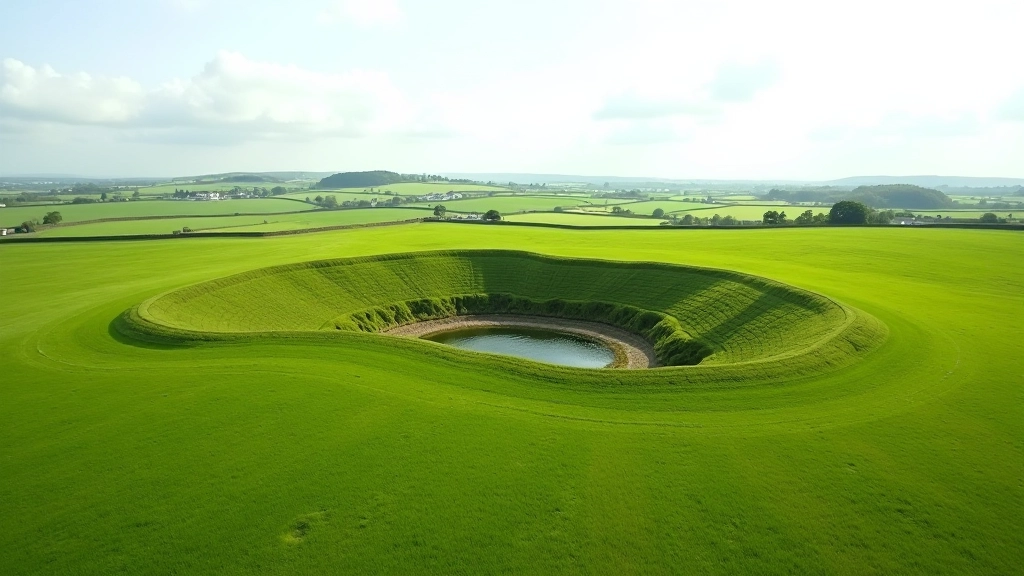
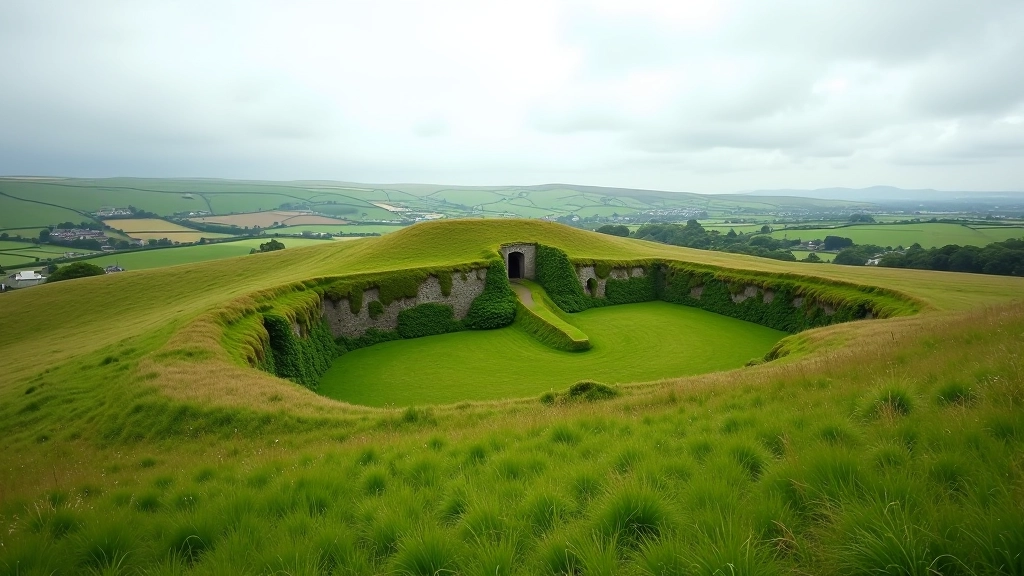
The real discovery comes when you circle the keep and spot the moat's outline. It's subtle — just a gentle depression in the grass, perhaps a metre lower than the surrounding field — but once you see it, you can trace the entire perimeter. In winter when the grass is shorter, the earthworks become more obvious. Medieval builders made the moat about 4 metres wide and 2 metres deep. Over 900 years, it's filled with soil and vegetation, but the shape's still there.

Wide landscape view of medieval earthwork moat outline visible as subtle depression in green grass field, ancient fortification remains

What Makes This Walk Special

1

Genuine Historical Features

You're not looking at reconstructions or artist's impressions. The keep is real medieval stone, and the moat is an authentic earthwork. What you see is what was actually built in the 1180s.

2

Accessible Terrain

Gravel tracks and grassy fields — no stiles or technical scrambling. The walk suits anyone with reasonable mobility. Most people in their 60s and 70s complete it comfortably.

3

Quiet and Peaceful

You won't encounter tourist crowds. The paths are rarely busy, making this a genuinely peaceful experience where you can actually hear the history around you.

4

Rich Medieval Context

This wasn't just a fortress — it was the centre of a whole settlement. Evidence of houses, workshops, and agricultural land surrounds the keep, telling a complete medieval story.

03. Practical Information and Tips

Getting there's straightforward — the keep is about 15 kilometres inland from Waterford city. You'll need a car, as there's no public transport to the site. The small car park is free, and you can park right near the start of the path. Bring a printed map or save the location on your phone — the route's not complicated, but GPS helps.

What to bring depends on the season. In summer, sun cream and water are essential — there's no shade on the open fields. Walking boots aren't strictly necessary, but trainers with decent grip help, especially after rain. We'd suggest a light waterproof jacket even if the forecast looks good — Waterford weather changes quickly. A walking pole is optional, though some people find it helpful on the slightly boggy sections.

You won't find facilities at the site itself — no cafe, no toilet, nothing. The nearest town's about 5 kilometres away. Bring snacks and water. The walk takes about 90 minutes, but if you're interested in the history and stop to examine the stonework, you'll easily spend two hours. That's not a complaint — take your time. Medieval sites reward close attention.

Safety's straightforward. The paths are well-established, and you're on private farmland where the owners have allowed public access. Stick to the marked routes, close any gates you pass through, and don't disturb livestock. The most challenging part is probably the muddy sections in winter — take care on slopes, and consider visiting when the ground's drier if you've got balance concerns.

Walking path through rural countryside with ancient fortification visible in distance across green fields

04. Understanding the Medieval Context

Why did the Normans build here? Location mattered. The keep sits near a river crossing and has sightlines across the surrounding landscape. Medieval military strategy wasn't complicated — you wanted to control routes and see threats coming. From the keep's position, defenders could spot approaching armies hours away.

The Normans who built this weren't invaders passing through. They settled, intermarried with locals, and became part of Irish society. This keep would've been home to a Norman family and their servants. They'd have grown crops in those surrounding fields, kept animals, and conducted trade. It wasn't just a fortress — it was a functioning farm and home.

The moat served dual purposes. Defensively, it made approaching the keep harder and gave defenders a tactical advantage. Practically, it provided water for animals and could power mills. Medieval engineers were practical — they designed features that worked multiple ways.
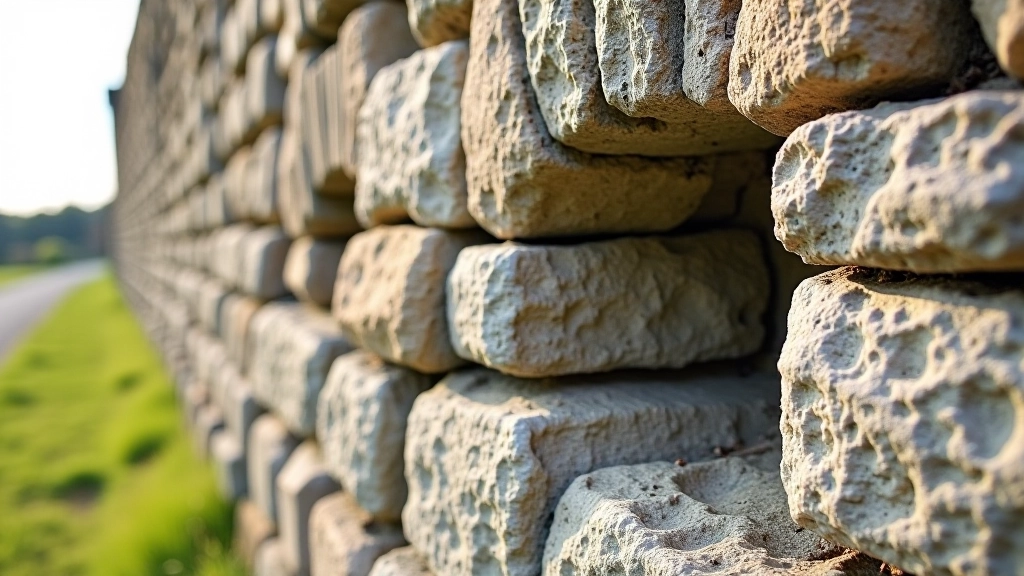
Detail view of ancient stone wall construction showing Norman masonry techniques and weathered stonework patterns

Important Information

This guide provides educational information about the Norman keep and walking route. Walking routes can change due to weather, land management, or access restrictions. We recommend checking local conditions before visiting and respecting any temporary closures or access restrictions. The route crosses private farmland where public access is permitted — please respect landowner guidelines and leave gates as you find them. Wear appropriate footwear and bring suitable weather protection. If you've got mobility concerns or health conditions, consult your doctor before undertaking outdoor activities. This content is informational — it doesn't replace professional local knowledge or current site information.

Final Thoughts: Why This Walk Matters

Walking around the Norman keep isn't just about ticking off a tourist spot. It's about understanding how people actually lived 900 years ago. You're standing where medieval families worked, defended their homes, and built lives. The stones tell stories if you listen.

That's what makes this route special for anyone wanting to explore Waterford's history. You're not reading about the past in a museum — you're walking through it. The muddy field, the stone walls, the faint moat outline — these are genuine connections to medieval Ireland.

We'd recommend going soon. Sites like this change slowly, but they do change. The stones weather, vegetation grows, and stories fade if nobody visits. By walking these paths, you're participating in keeping this history alive. And honestly, you'll find it more rewarding than any museum visit.

Ready to explore more Waterford walks?

View All Walking Guides